

Get the Corona Chimney Ready Before November
Sweep in fall, clean in spring, repair in the dry months.
A Level 1 inspection costs $57; a sweep starts from $440. Each card below names the job and what the visit checks. Not sure which one fits? Book an inspection before burn season and the report will tell you.
Chimney Sweep
Flue brushed from firebox to cap before the first cold night, so the season starts with a clean, drafting chimney.
Chimney Inspection
Level 1 and Level 2 inspections booked ahead of burn season, with a written report and photos you can plan repairs around.
Chimney Repair
Cracked flue tiles, loose bricks and broken crowns fixed in the dry months, before winter rain finds the gaps.
Fireplace Inspection
Firebox, damper, smoke chamber and hearth checked before the first fire of the season, with a draft test at the opening.
Fireplace Repair
Dampers, firebrick, refractory panels and glass doors repaired between seasons, so the fireplace is ready when evenings turn cold.
Chimney Level 2 Inspection
A camera run through the full flue plus attic and crawl space checks, for a sale, a new appliance or after a quake.
Chimney Cap Installation
Stainless caps with spark mesh fitted before Santa Ana season and winter rain, keeping embers in and water and animals out.
Chimney Flashing Repair
Step and counter flashing resealed in the dry months, before the first winter storm tests the seam between chimney and roof.
Chimney Masonry Repair
Repointing, brick replacement and crown work scheduled for warm, dry weeks when fresh mortar cures properly.
Chimney Rebuilds
Partial or full chimney reconstruction planned months ahead, so the new masonry goes up in dry weather.
Fireplace Cleaning
Ash, soot and glass haze cleared from the firebox at season's end, so the room stops smelling of old fires all summer.
Gas Fireplace Cleaning
Burners, logs, glass and pilot cleaned each fall, so the gas fireplace lights clean on the first cool evening.
Gas Fireplace Repair
Pilots, thermocouples, valves and igniters tested and repaired before the cold months, when every gas fireplace gets called on.
Fireplace Remodel
Surround, mantel and fuel choice planned during the off season, while the fireplace is idle and trades book easily.
Fireplace Inserts
Gas or wood inserts fitted to an existing firebox, planned in the warm months ahead of winter.
Pellet Stove Repair
Augers, igniters, blowers and control boards repaired in the off season, so the stove feeds and lights when it turns cold.
Wood Stove Repair
Gaskets, baffles, air tubes and firebrick replaced in spring, after a winter of hard use shows what has worn.
Gas Logs
Vented gas log sets sized to the firebox and piped in during the warm months, ready for no-burn nights in winter.
Chimney Seismic Retrofit
Bracing, straps and rebuild-to-roofline options for brick chimneys, planned and built in the dry months between rainy seasons.
Chimney Crown Repair
Cracked or crumbling crowns sealed or recast in summer, so winter rain stops soaking into the brick and flue.
Dryer Vent Cleaning
Lint cleared from the dryer duct to the outside hood, often booked on the same date as the yearly chimney sweep.
Chimney Liner Installation
Stainless liners fitted inside cracked clay flues or for new inserts, planned in summer once a camera scan sets the size.
Chimney Leak Repair
Water stains near the chimney traced to crown, flashing, brick or cap, then repaired in the dry weeks after the storm.
Chimney Waterproofing
Breathable water repellent applied to clean, dry brick in late summer, so the masonry sheds winter rain instead of soaking it up.
Chimney Damper Repair
Stuck, rusted or warped dampers repaired or replaced before fall, so the flue opens for fires and closes tight all summer.
Chimney Chase Cover
Rusted chase covers on framed chimneys replaced with stainless, sloped to shed rain, before the winter storms.
Selling, renting or repairing? Pick the season's job
Four pages for the times a chimney has to answer to someone else: a buyer, an agent, a tenant or a failed report. Each one says what we inspect, who receives the report and what the work costs where we publish a price.
Home sale inspection
Sellers in Corona: a Level 2 before listing, so the buyer's report holds no surprises.
For real estate agents
Buyer's agents: a Level 2 inside the contingency period, with the report sent to you.
Property managers and HOAs
Gas fireplaces across many units: pilots, valves and venting, priced per fireplace.
Up to code repairs
Failed a Level 2? The usual findings, the fix for each, and the price where we publish one.
From Corona into Yorba Linda, Pomona and Walnut.
Each city below has its own page: the houses we visit there, the months that suit each job, and the ZIP codes on our route.
Our Calendar
Corona
Our base in Riverside County
August to October
Sweep and inspection months
November to February
No-burn days can be called
Open a city to see which months suit sweeps, cleaning and repairs there, and which ZIP codes we book.
Corona
Our home base below the Santa Ana Mountains in western Riverside County
Santa Ana gusts in October and again in January can work a cap loose and push embers onto a roof. Rain waits for November, so we like to book crown and flashing checks in late summer while the masonry is dry.
Yorba Linda
Hilly north Orange County suburb with big lots and owner-built homes
Long hot summers here, with hardly any marine layer, dry out and crack crowns by fall. In November 2008 a wildfire burned 187 local homes, so a fitted spark arrestor tops our October list.
Pomona
Older inland city at the east end of the Los Angeles Basin
Hot summers, windy spells and wet winters each chip at crowns, mortar and caps, so April is when we look for what the rains opened up. The 1990 quake centered near Upland shook this city hard.
Walnut
Quiet hillside suburb where the San Gabriel Valley meets the Puente Hills
Cracked crowns and tired flashing tend to show up as leaks in the November to March rains, so a dry-season inspection pays off. The 2008 Chino Hills quake hit just a few miles east, worth a masonry check if it was never done.
More Cities
136 more city pages
Every city on the route has its own page with the months that suit it.
Months, prices and no-burn days
What owners in Corona, Yorba Linda, Pomona and Walnut ask before they pick a date.
When should I book a chimney sweep?
Late summer or early fall is the sweet spot. The first cool nights in Corona usually come in late October or November, and that is when the calendar fills with people who want a fire the same week. Booking in August or September gets you a date that suits you and leaves time to fix anything the sweep turns up.
What does a sweep or inspection cost?
A chimney sweep runs from $440. A Level 1 inspection is $57, and a Level 2 inspection with a camera scan of the flue is $410. Repairs other than the few with listed prices, such as leak repair at $590 to $3,500, are quoted in writing after we have seen the chimney. Caps are quoted after we measure.
How often does a chimney need an inspection?
NFPA 211 calls for a yearly inspection of any chimney in use. For most houses a Level 1 each fall is enough. A Level 2 is the one to book when the home is being sold, when you change the appliance or fuel, or after an earthquake or a chimney fire.
When are no-burn days in Corona?
From November through February, the South Coast AQMD can call mandatory no-burn days under Rule 445. The rule covers Corona, Yorba Linda, Pomona and Walnut. On those days no wood may be burned in a fireplace, stove or insert, while gas fireplaces, gas inserts and gas logs can still run.
What should happen after the last fire of the season?
Spring is the time for a fireplace cleaning, so ash does not sit in the firebox through a hot summer and stale the room. It is also the time to book any repair the winter showed: a damper that sticks, cracked firebrick, or a stain near the chimney after a storm.
Which repairs belong in summer?
Masonry, crown work, waterproofing, flashing and rebuilds all suit a dry roof between spring and early fall, when mortar and coatings can cure without rain. Booking them right after burn season keeps them out of the busy cold months.
Do you look at chimneys after an earthquake?
Yes. A quake can crack flue tiles and loosen brick above the roof without any sign from the room. NFPA 211 calls for a Level 2 inspection after a quake, and we also quote seismic bracing, straps or a rebuild to the roofline where the chimney needs it.
Can you put in a gas insert before winter?
We can plan one. The order is a Level 2 inspection, then the unit, then the install with a stainless liner and cap. Starting in summer keeps it clear of the cold-month rush. A gas insert runs $2,950 to $5,900 installed and can be used on no-burn days.
Where does Elkins Chimney Solutions work?
From Corona, with most visits in Corona, Yorba Linda, Pomona and Walnut and the neighborhoods between them. The areas page lists every city we cover.
What do I receive after a visit?
A written report with photos of what we found, sorted by what to fix first and what can wait. Any repair comes with a written quote before work starts, and nothing is added without your approval.
Do you clean dryer vents too?
Yes. A dryer vent collects lint all year, and many owners put it on the same date as the yearly chimney sweep so both jobs are done in one visit.
Have a question about your own chimney? Ask it when you call.
Call (951) 501-8876The right job in the right month.
Elkins Chimney Solutions works from Corona in western Riverside County, with visits across Yorba Linda, Pomona, Walnut and the cities between them. Summers here run hot, fall brings the Santa Ana winds, and winter brings rain and the no-burn months.
That gives every chimney job a season. Sweeps and inspections belong in late summer and early fall, before the first cold night. Cleaning and small repairs belong in spring, right after the last fire. Masonry, liners and inserts take the long dry months.
We book each visit for the month that suits it, write up what we find with photos, quote repairs in writing before any work, and leave you with a date for the next visit.
- Aug to Oct
- Sweep and inspection season
- Nov to Feb
- No-burn days can be called
- Apr to Oct
- Dry months for masonry
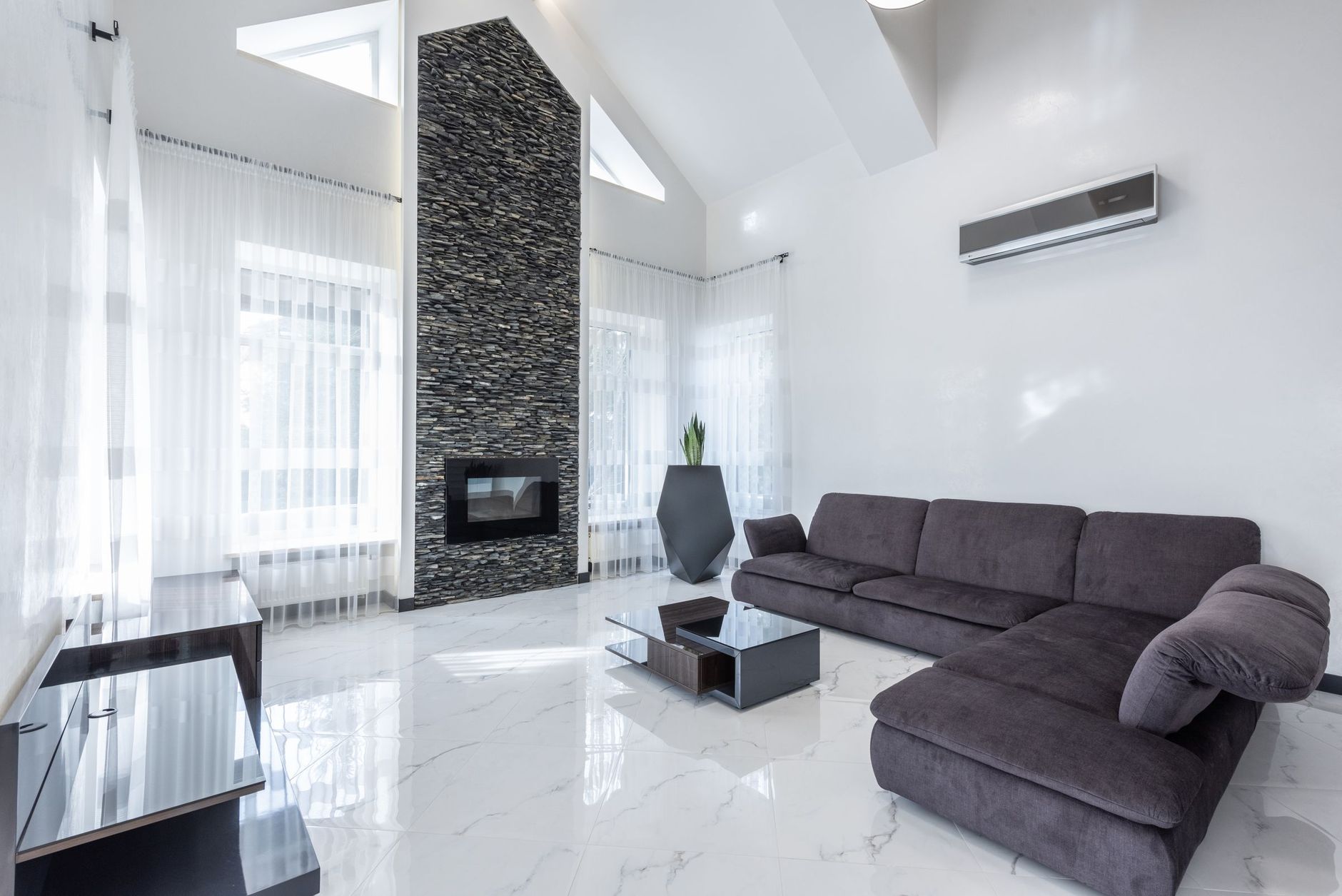
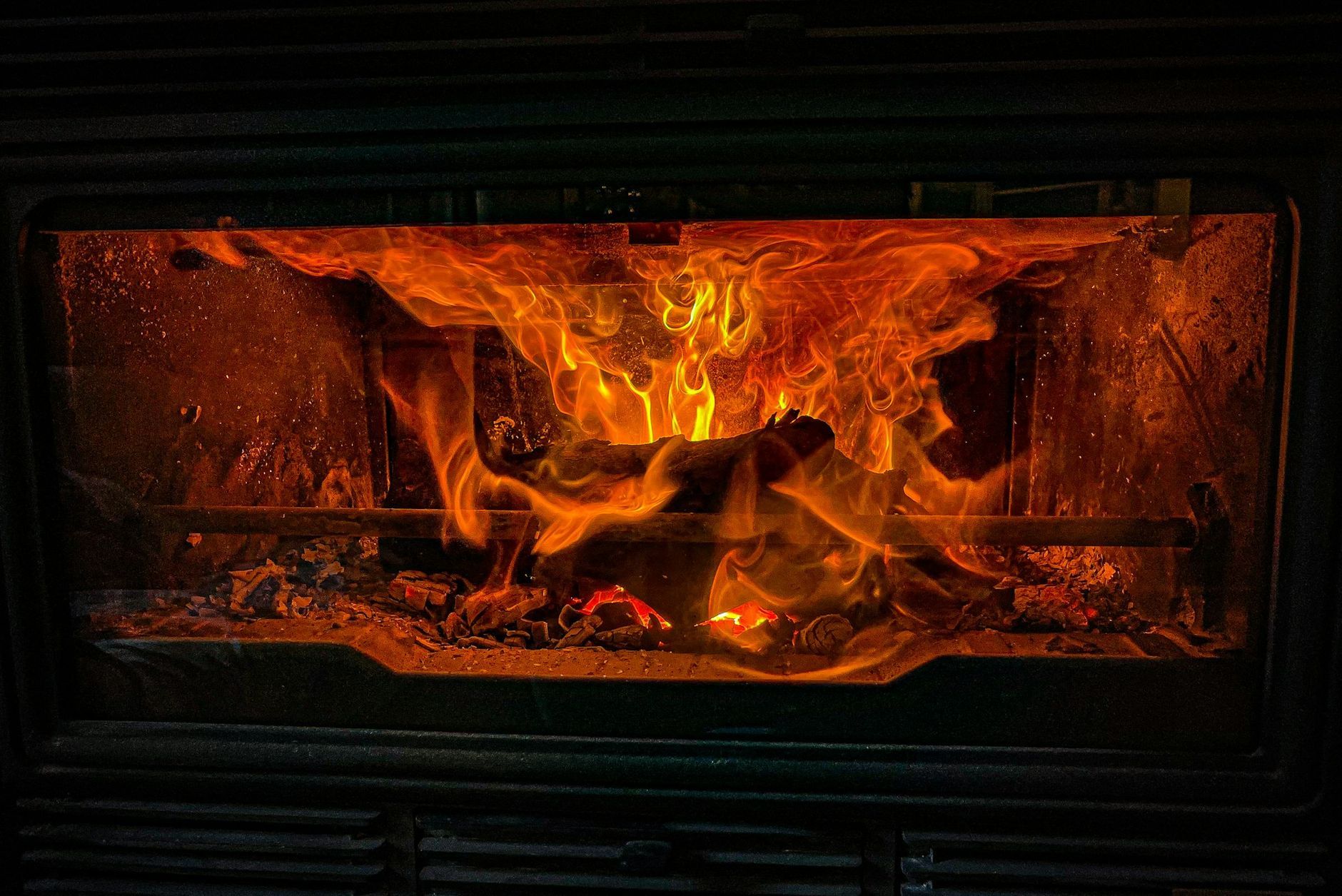
Timing Over Rushing
A sweep in September is easier on everyone than one the night before a cold snap. We plan jobs around the season so nothing important gets squeezed into the busy weeks.
Corona and the Valley Next Door
Our visits center on Corona, Yorba Linda, Pomona and Walnut, where hot summers, Santa Ana winds and winter no-burn days shape when each job makes sense.
Prices on Paper
The listed prices are the prices. Everything else is quoted in writing after we look, and optional work is never dressed up as urgent.
Photos You Can Keep
Every report comes with photos from the flue, the firebox and the roof, so you can see what we saw and plan the next season with it.
Plan the month, then do the job
Five steps in a fixed order, ending with a date for the next visit.
Pick the Month
Call or send the form and tell us what you need and when you plan to burn. Late summer suits sweeps and inspections, spring suits cleaning and repairs. A photo of the fireplace and the roofline helps us plan.
Confirm the Visit
We confirm the date and what the visit covers, so you know which rooms and roof access we need. Gas units get the gas shut-off located before we arrive.
Do the Work
Sweeps, cleanings and inspections are done under drop cloths with HEPA vacuums running. We check the damper, flue, crown and cap on the way, whatever the main job is.
Report and Quote
You receive a written report with photos. Repairs are listed by what comes first, and anything without a listed price is quoted in writing before work starts.
Set the Next Date
Before we leave we note when the next sweep or inspection makes sense for how you burn, and which repairs belong in the coming dry months.
From Corona, booked before the cold sets in.
Which Month Suits You?
Name, number and the job you need. We call back and settle the date.